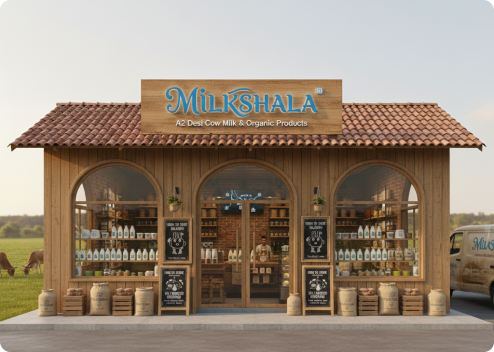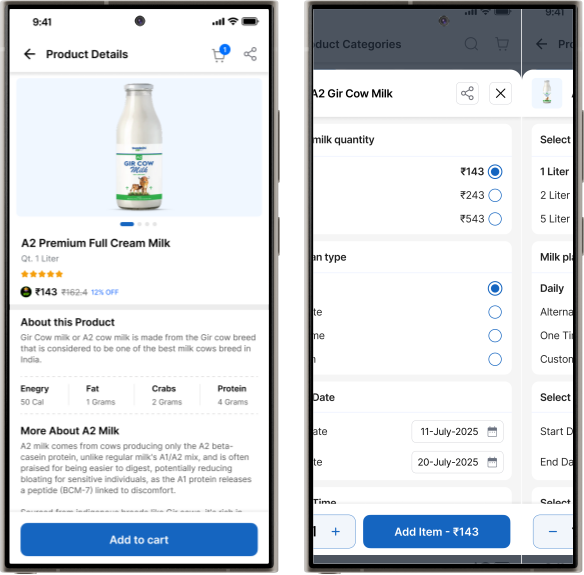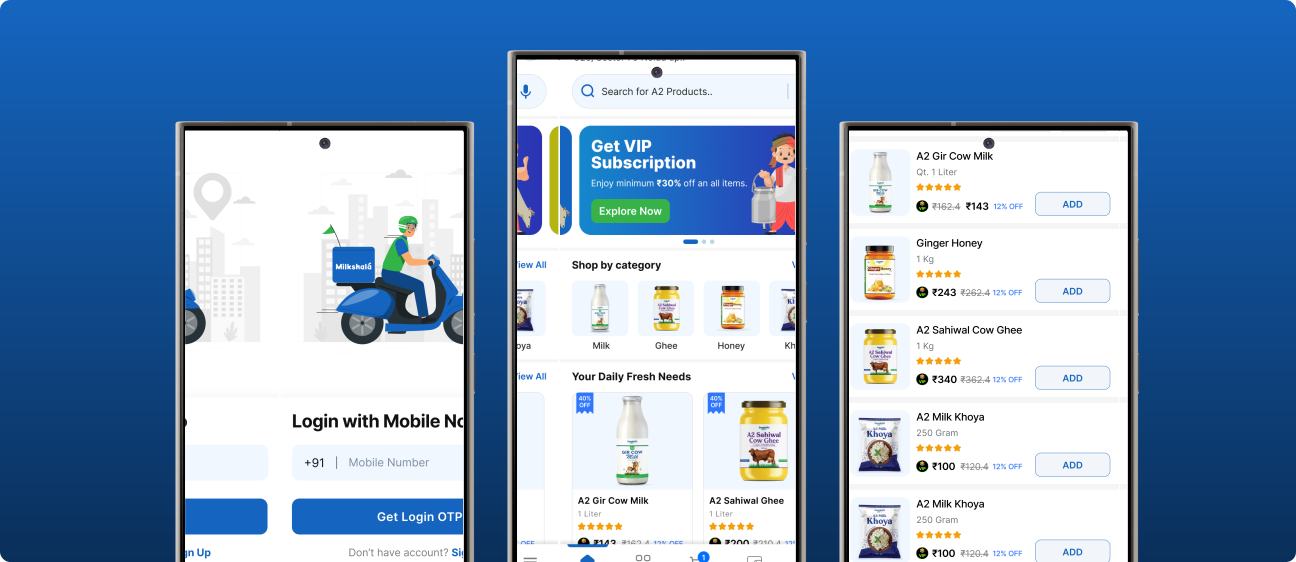
Milkshala is a subscription-based milk delivery application offering pure, certified A2 milk and dairy products across Delhi NCR. The project focuses on creating a flexible and transparent subscription experience that allows users to manage deliveries effortlessly, ensuring a smooth and dependable daily routine.
My Role
Project Team
Timelines
Tools Used
Milkshala is a fourth-generation dairy brand delivering pure, A2 Desi Cow milk and organic products Gaushala in Noida Uttar Pradesh. Rooted in traditional, chemical-free farming practices, the brand ensures quality through Gaushala and sustainable processes.
Milkshala offers a wide range of products made from A2 milk, and its services will be available across iOS, Android, and web platforms.
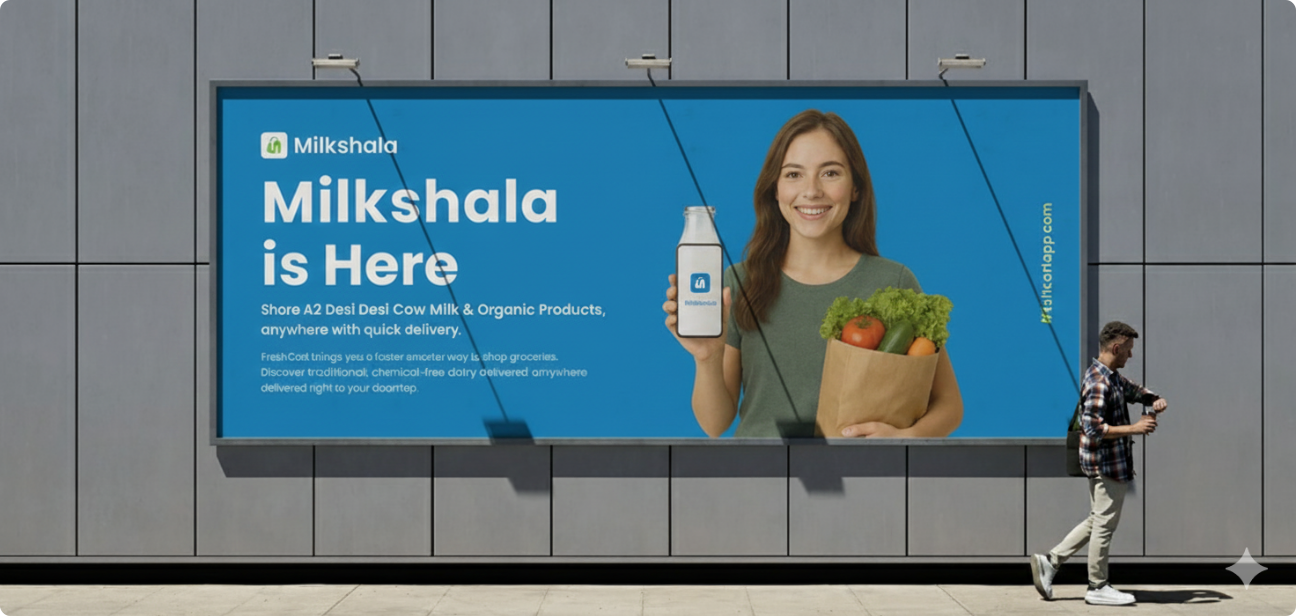
The client approached me to design a new and full-fledged subscription milk delivery mobile application that enables users to easily purchase pure A2 milk and related dairy products directly from their Gaushala through milkshala mobile app.
As a daily-use service, the product required a clean user interface with best user experience, reliable, and user-friendly subscription experience that allows customers subscription control like start, pause, modify, or cancel deliveries effortlessly.

The research phase focused on understanding user needs, pain points, daily milk consumption behaviour, and expectations from an A2 milk subscription service, using a mixed-method approach to validate assumptions and define key experience requirements.
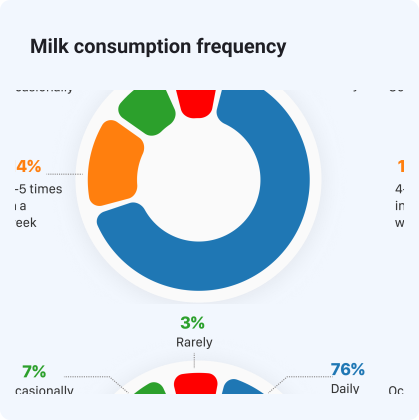
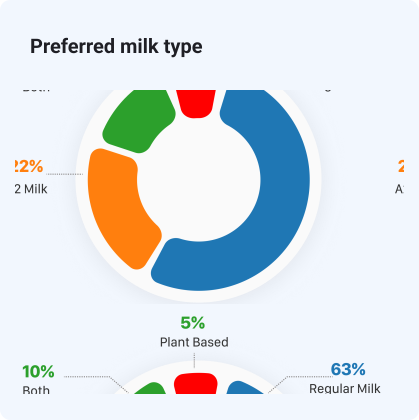
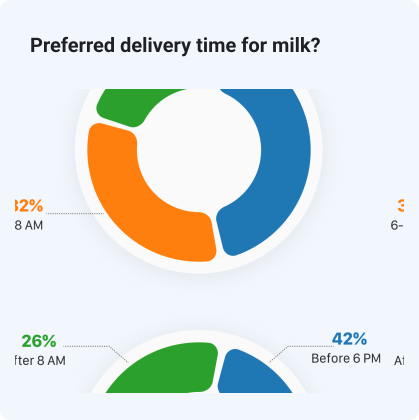
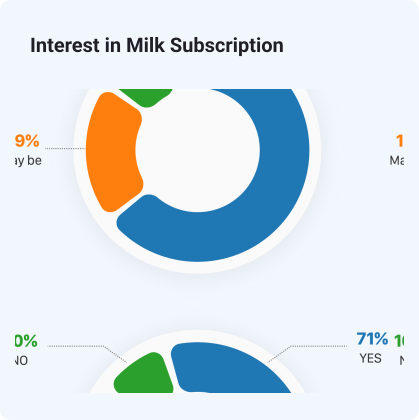
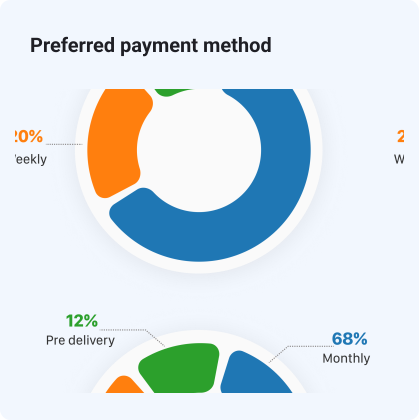
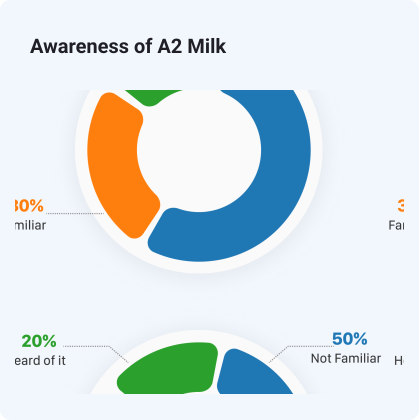
Conducted a Google Form survey with 32+ participants (ages 18–55), including professionals, homemakers, and students, to understand their milk-buying preferences. The survey was kept short and simple to encourage honest responses.
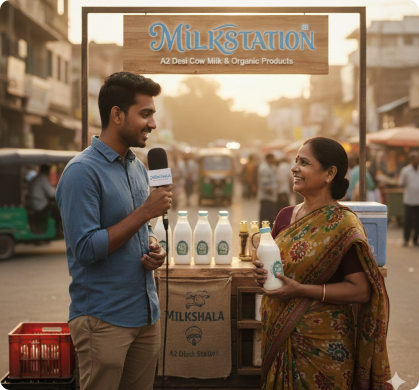
I interviewed 8–10 users in person and 2–4 via phone, focusing on professionals, homemakers, and students to uncover their needs, pain points, motivations, and goals.
Question 1
How do you currently manage your daily milk purchases or deliveries?Question 2
What is the biggest problem you face while using any milk delivery app?Question 3
Which features would you expect to use most in an A2 milk delivery app?Question 4
What problems have you experienced with existing milk delivery services or vendors?Question 5
How important for you - manage subscription like pause, quantity change, or cancellation?Question 6
What factors help you trust the quality and source of milk? What creates doubt?Question 7
What would make you recommend a milk delivery app to others?Question 8
Have you ever faced issues with delivery timing or missed deliveries?Question 9
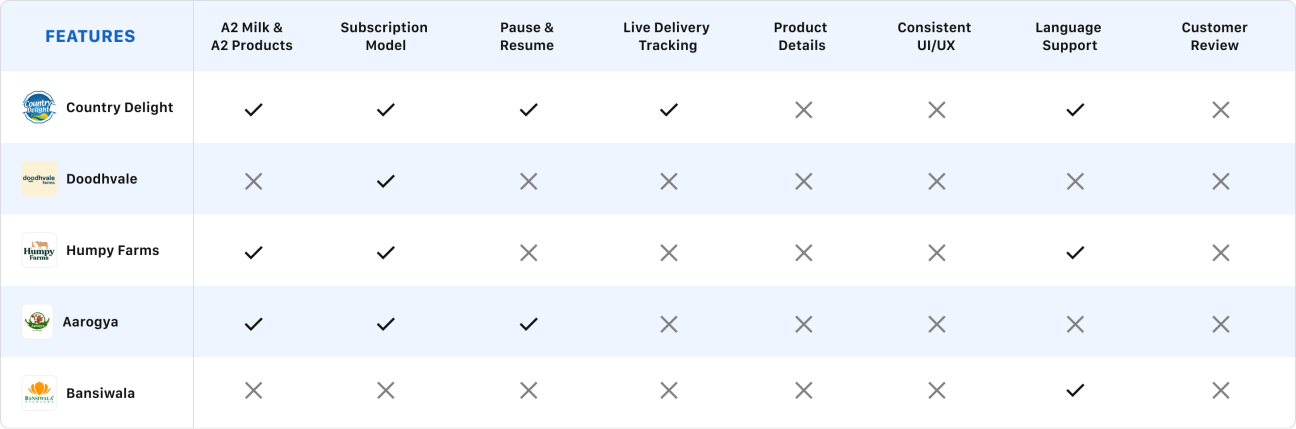
What problems have you experienced with the UI or UX of existing milk delivery apps?A competitive analysis was conducted to evaluate existing milk delivery and A2 dairy apps, focusing on subscription flexibility, quality transparency, and overall user experience.
Analysed App Store and Play Store reviews to uncover real user frustrations, feature requests, and usability issues.

Subscription cancel karna unnecessarily complicated bana diya hai.
Gaurav Kapoor
Marketing ExecutiveThe app flow is so confusing. Can’t track or try anything.
Raghav Mishra
DoctorBad user Experience, Very confusing app i have seen ever.
Anjali Verma
HousewifeLow product quality compared to what's shown.Ingredients info missing.
Amit Singh
Software EngineerUser Interface is too boring and confusing – especially for first-time users.
Riya Pandey
TeacherThe Define phase helped transform scattered findings and insights into specific user pain points and design goals.

Bio
Amrita represents busy working professionals who prioritise family health and need a trustworthy, low-effort milk subscription experience.
Bio
Umesh is a 58-year-old retired professional who values health, trust, and simplicity, and prefers reliable, easy-to-use services for daily milk delivery.
After analyzing the data and brainstorming, I was clear about the required features and actions. I quickly moved on to mapping the user flow and creating wireframes.
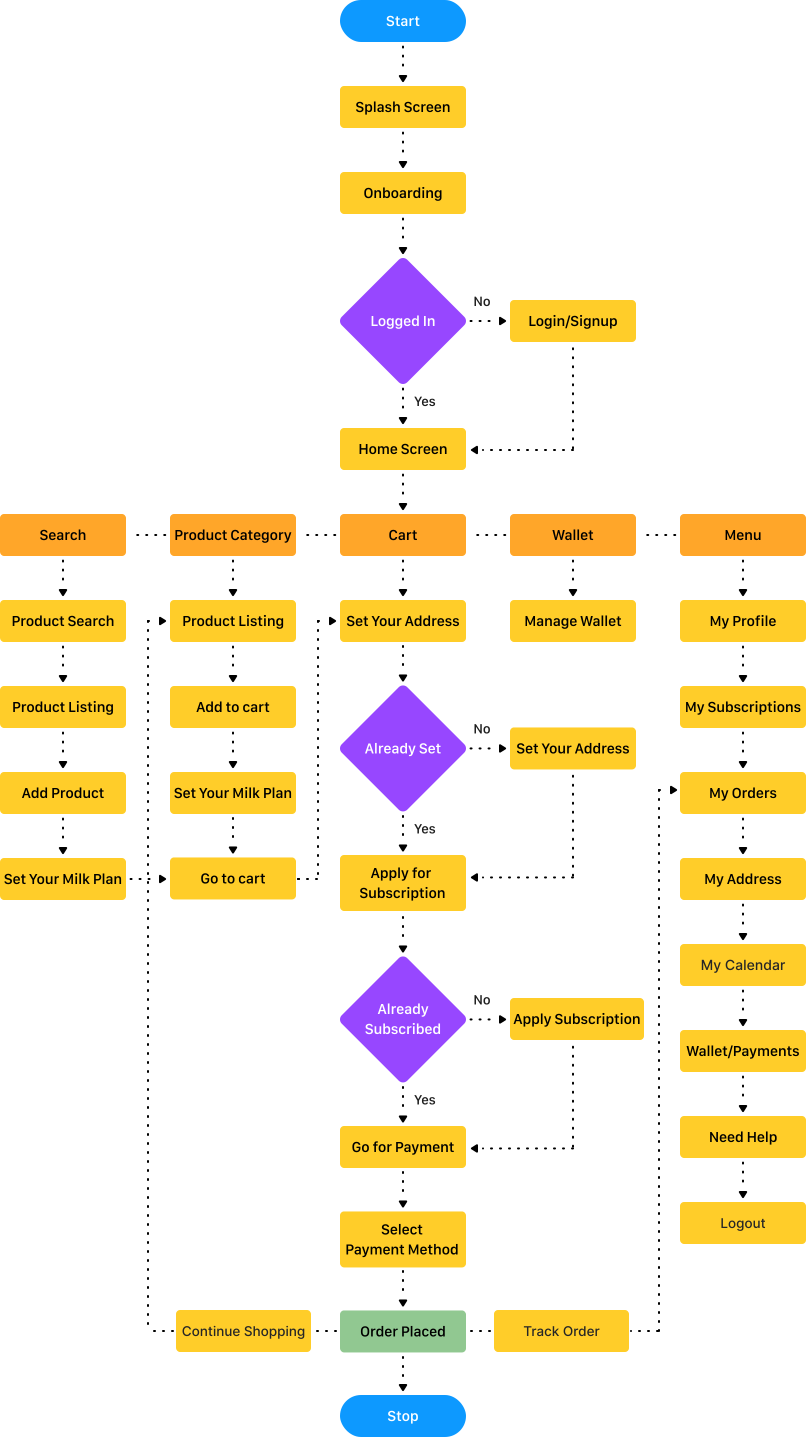
After the research and analysis, it was time to begin the redesign. The task flow below brings everything together before moving into ideation and screen redesign.
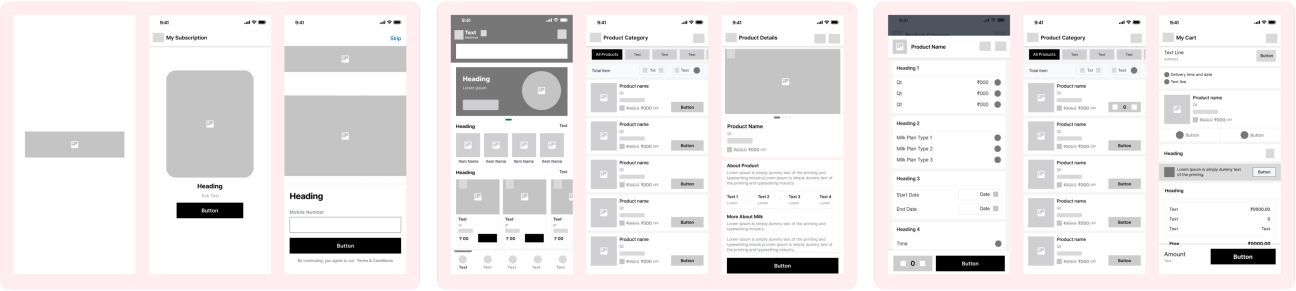
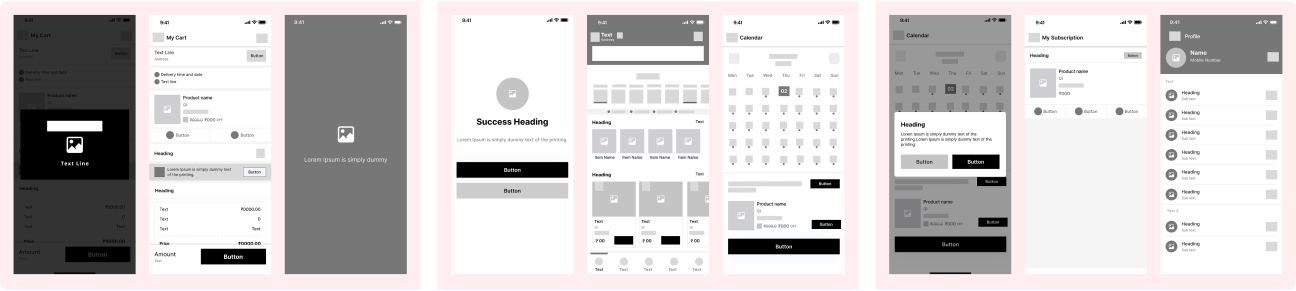
Wireframes were done to get my initial thoughts on paper and brainstorm new ideas for specific UI elements.
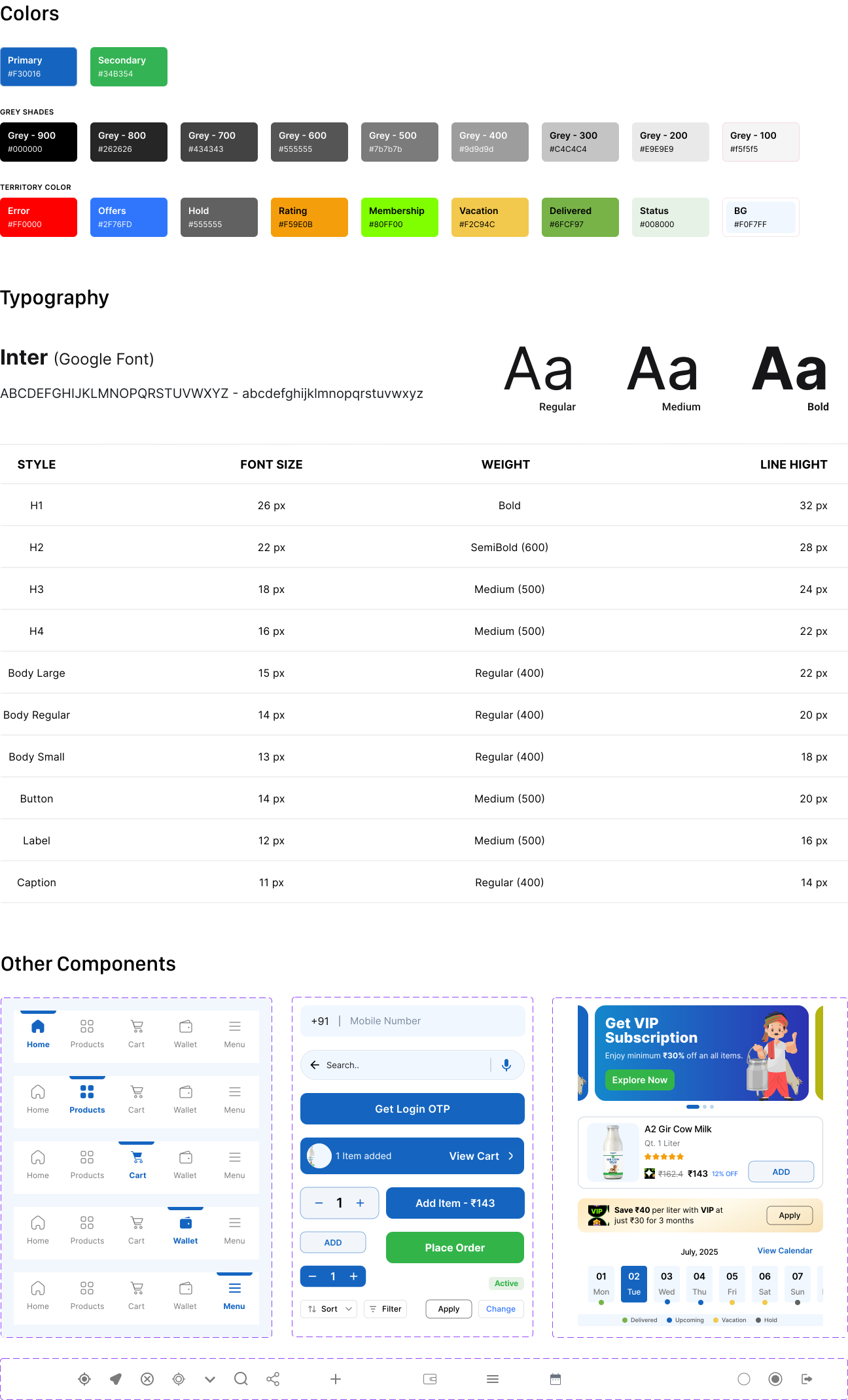
Neo-pop was selected as the visual theme because the app's target demographic is young adults (18–35) with low or average salaries. The stakeholders also sought to maintain a street-friendly design.
After initial rounds of discussions and agreement on the design language, we proceeded to Visual Design.
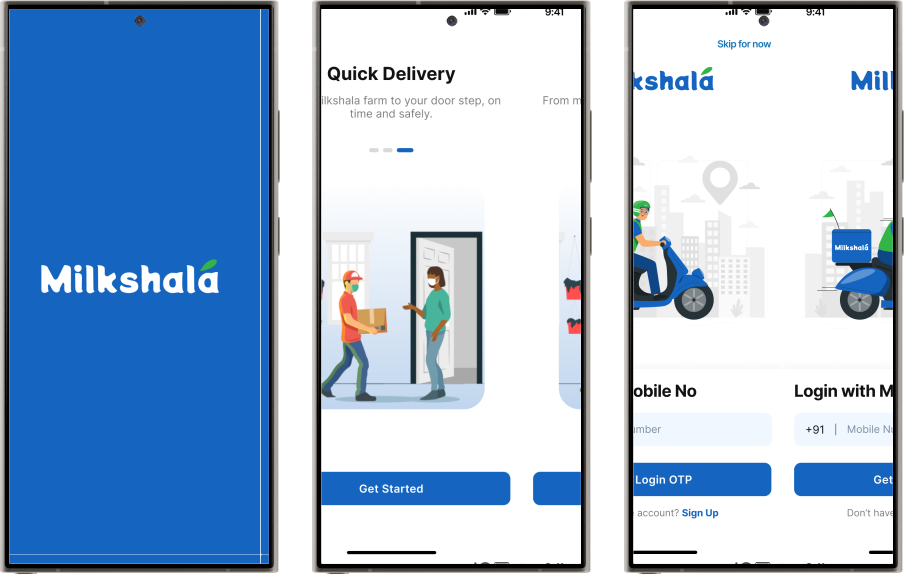
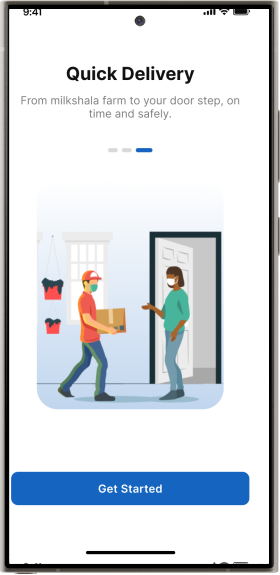
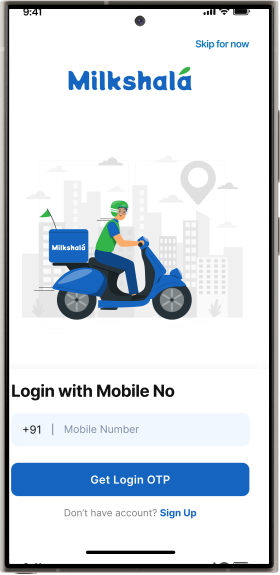
I refined the initial user journey by creating a clean, consistent visual flow across splash, onboarding, and login screens. The design focuses on clear hierarchy, simple layouts, and readable typography to build trust, explain value quickly, and make the first interaction smooth.
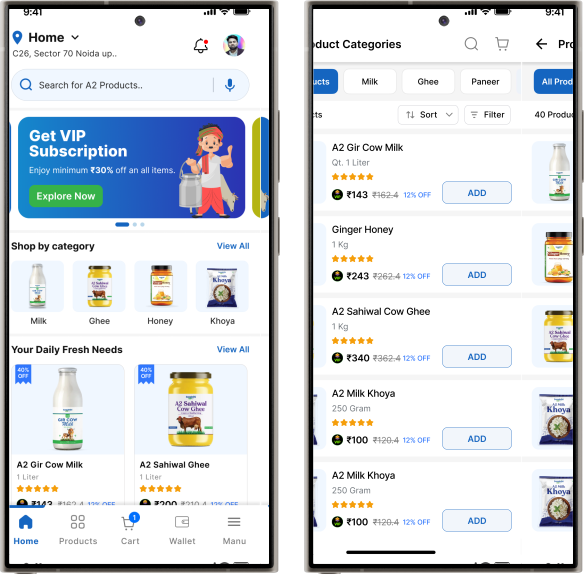
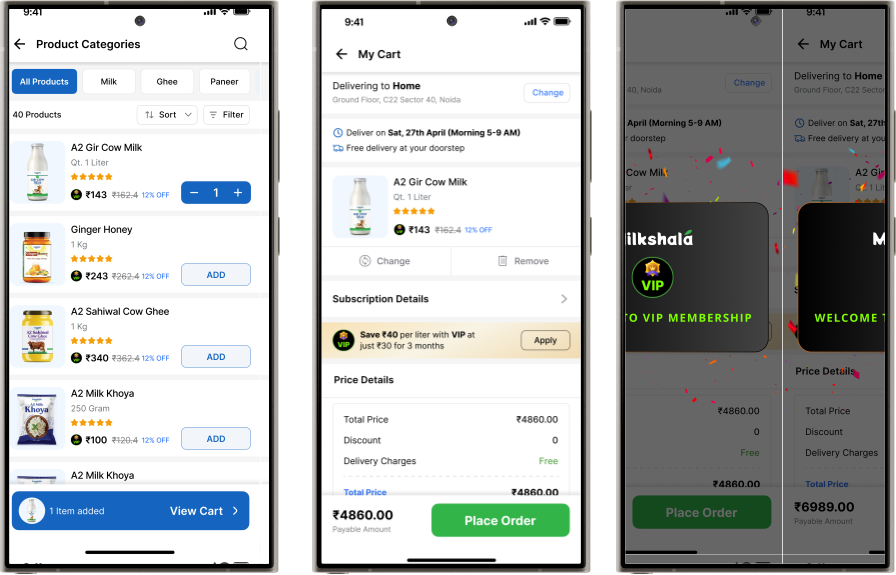
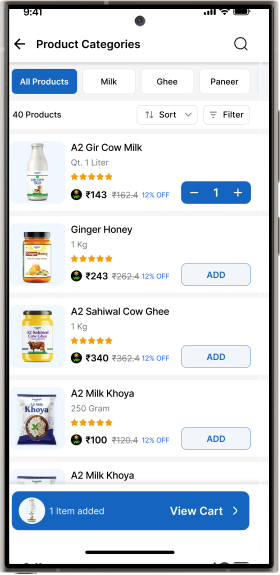
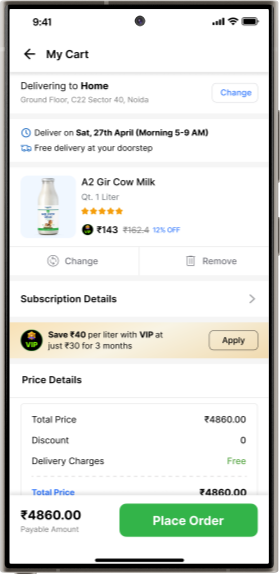
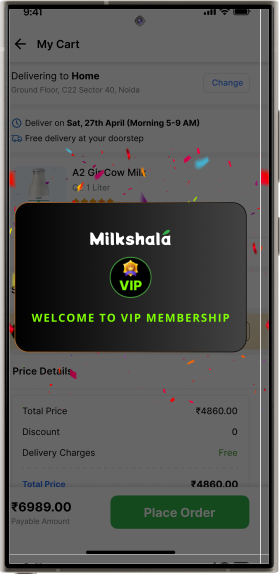
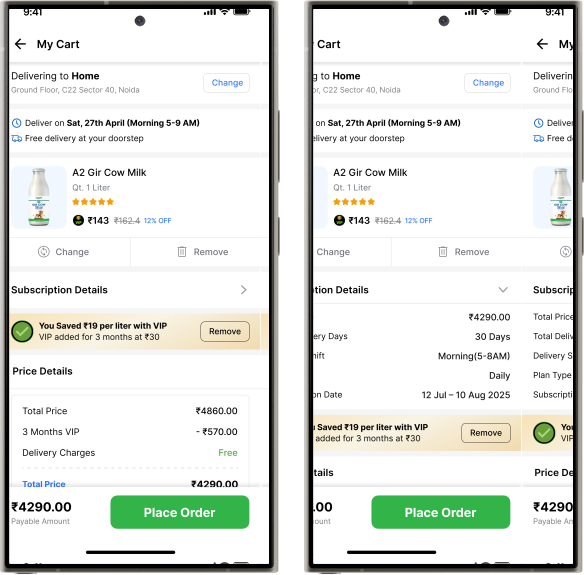
After adding products to the cart and proceeding to checkout, users are clearly informed about the benefits of the VIP Membership and can easily apply it to unlock better offers, receive additional discounts, and save more money on their purchases.
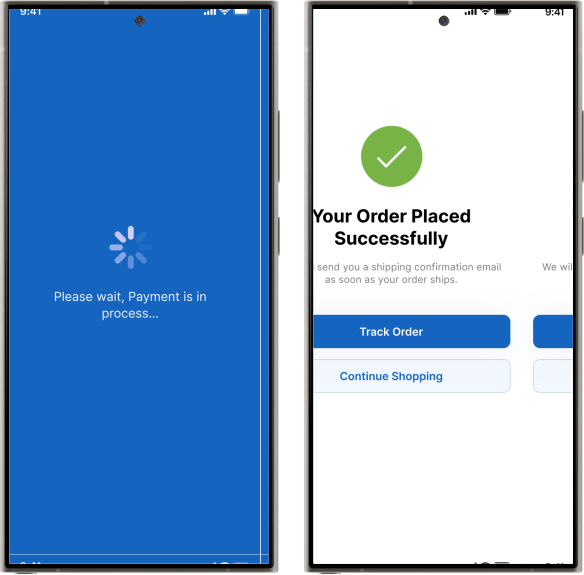
Simplified the checkout flow so users can quickly complete payment and then either track their order or keep shopping.
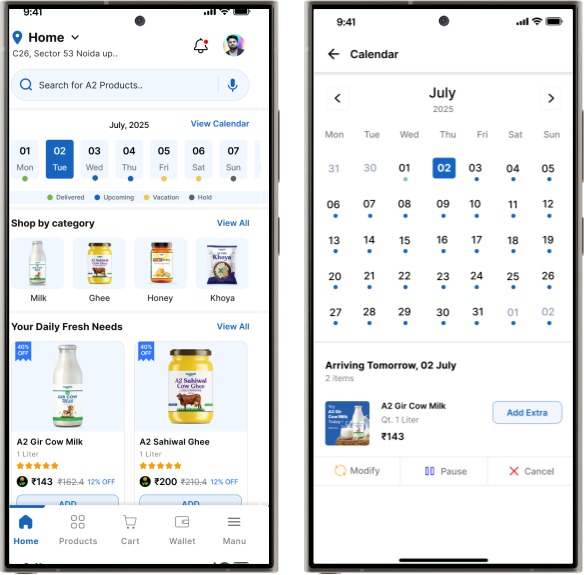
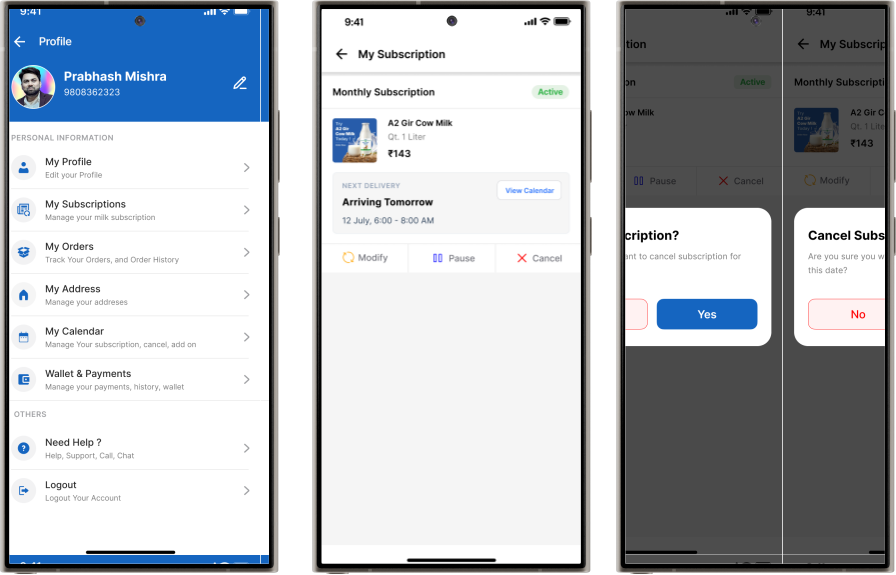
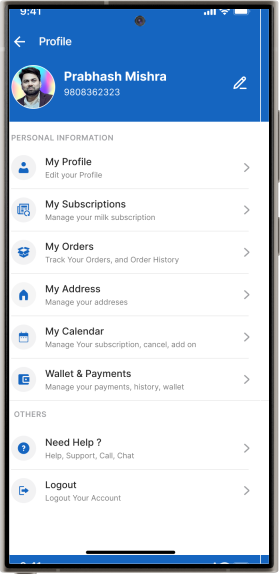
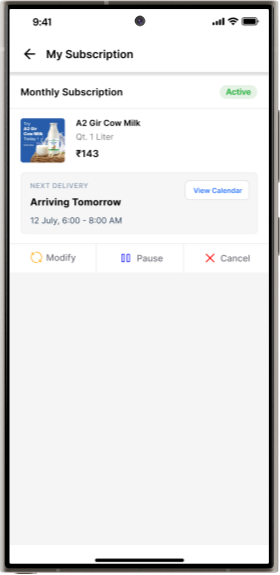
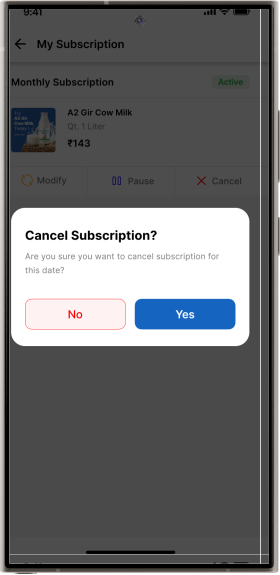
Users can manage multiple options such as profile editing, subscription controls, and more from a single place. If they need to modify an order—pause, cancel, or update it due to vacations—they can easily do so from the My Subscription section.
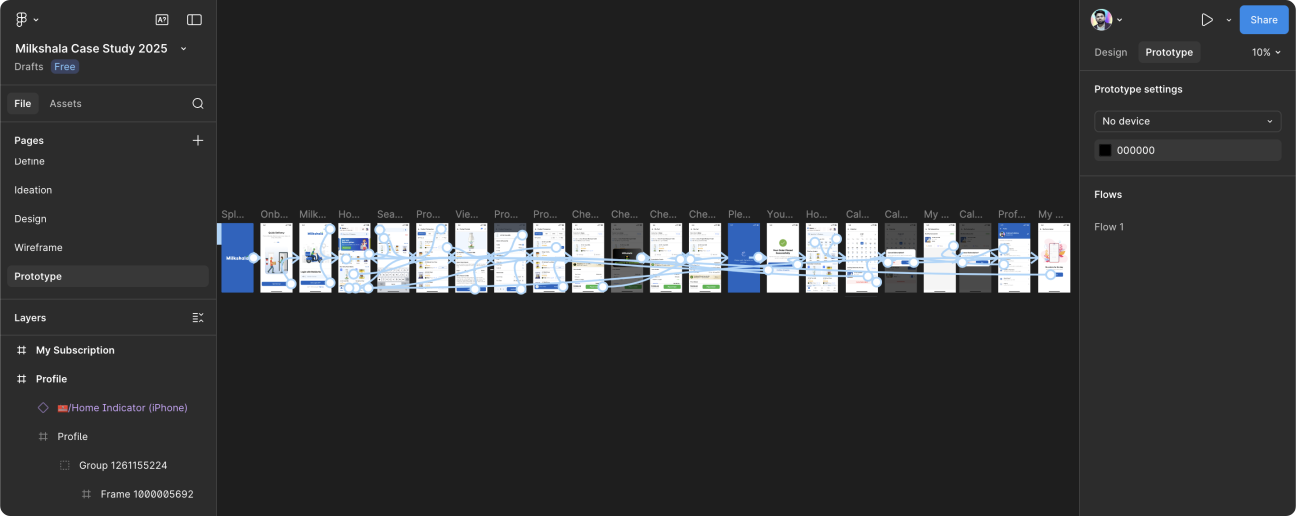
Prototyping was created to validate core user flows and daily milk delivery interactions before final UI design. This helped test assumptions early, reduce usability risks, and refine the experience through quick feedback.
From moving theory to practice, the next phase was the main Usability Testing. Before engaging participants, however, certain ground rules and parameters needed to be define.
🎯 What is the purpose of the Usability Testing?
The main purpose of usability testing in Milkshala is to check whether real users can easily order milk and manage subscriptions without confusion or extra effort. It helps ensure the app feels simple, smooth, and trustworthy for daily use.Now lets take a look how the test itself was structured. It dividing into 5 stages.
The facilitator provides a formal introduction to the study, explaining its purpose, the participant’s role, and the “think-aloud” protocol.
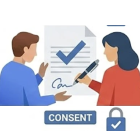
The participant is given an informed consent form to read and sign. This document outlines the test procedures, data handling, confidentiality, and the participant’s right to withdraw.
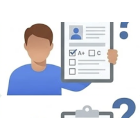
The participant completes a short questionnaire about their general technology usage and familiarity with navigation apps. This information helps provide context for their behavior during the test.
This is the main phase of the test. The participant is presented with realistic scenarios and asked to complete specific tasks within the application, generating primary usability insights.
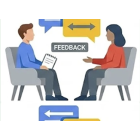
The session concludes with a post-test questionnaire and a brief open discussion to capture the participant’s final thoughts, overall impressions, and any remaining questions.
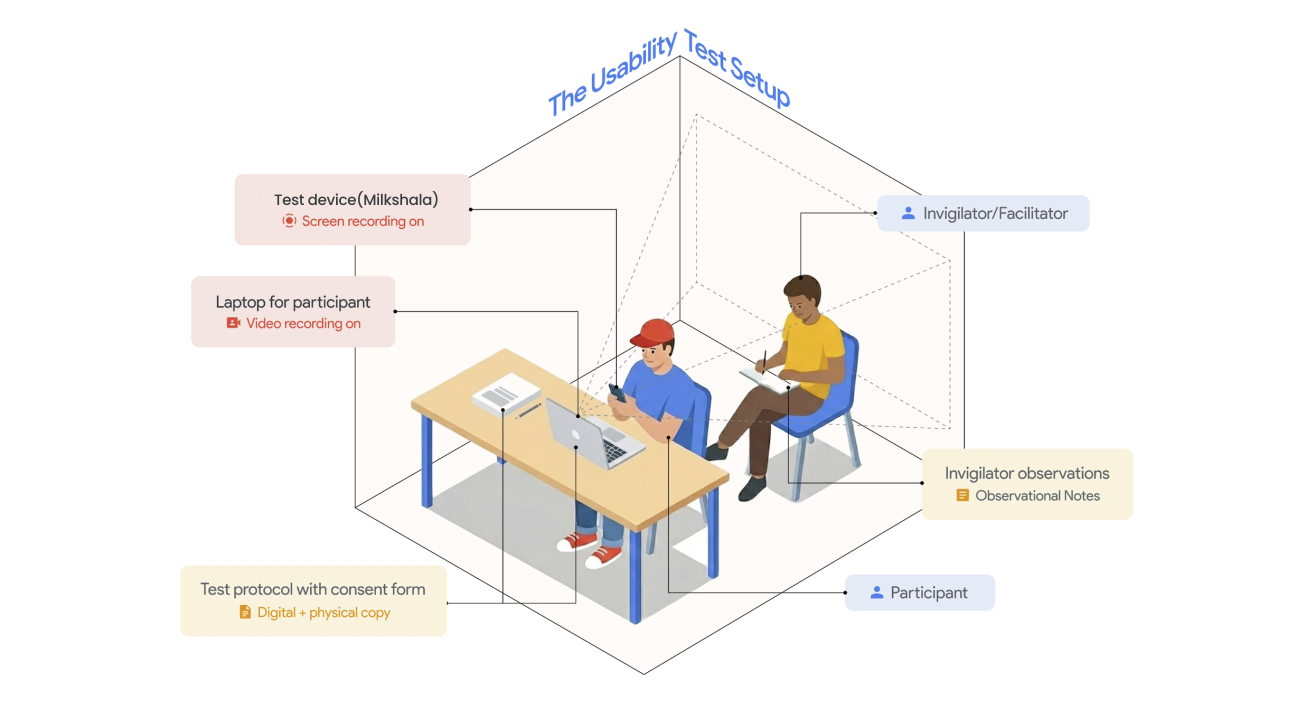
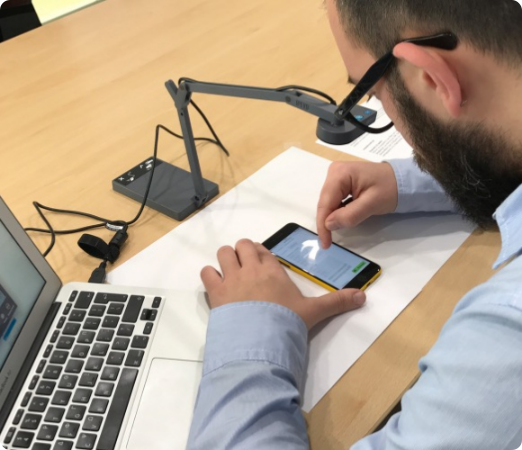
Here is visual representation of the testing environment and setup.
5
18-60
Android and iOS Phones
DD/MM/YYYY
Students, Working, Retired
Moderated Test
Usability testing revealed that users were able to navigate the app with ease and clearly understand key features and flows. The simplified structure and fresh design helped reduce confusion, allowing users to complete tasks quickly and confidently. Feedback highlighted the clarity of actions, improved visual hierarchy, and smooth subscription management experience. Overall, the design effectively addressed user needs, enhanced usability, and created a more reliable and user-friendly daily milk ordering experience.
Since the wireflow is focused on the subscription plan and its management, success will be measured using both usability and business metrics:
These metrics together will indicate how effectively the design improves usability, satisfaction, and long-term engagement.
Working on the Milkshala project helped me understand the importance of simplifying complex subscription flows into clear, user-friendly steps. I learned how small design decisions—such as clear labels, visual hierarchy, and accessible actions—can significantly reduce user confusion and improve task completion. Usability testing reinforced the value of validating assumptions early, as real user feedback revealed practical insights that guided better design solutions.
Thanks for watching